
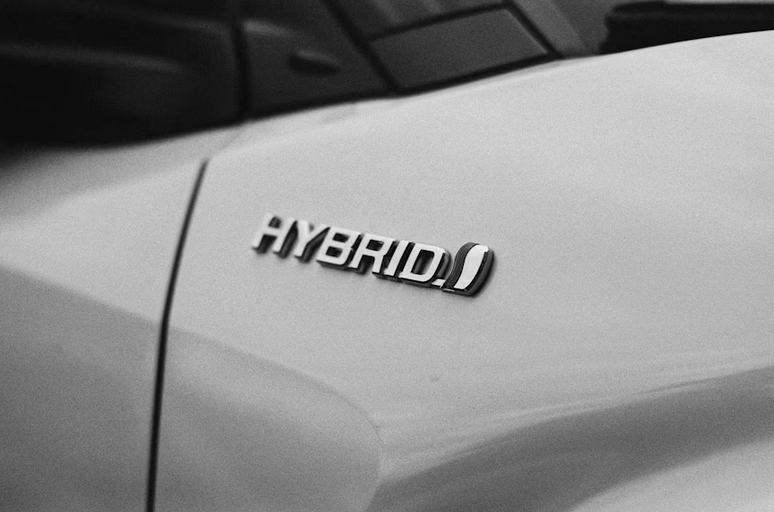
Hybrid cars have steadily grown in popularity, but misconceptions continue to influence how people view them. Many potential buyers hesitate because of myths they’ve heard from friends, online chatter, or even outdated reports. These false ideas can prevent drivers from making informed decisions, leading them to overlook vehicles that could be a practical choice for their lifestyle. To clear things up, this article addresses four of the most common myths about hybrid cars and provides accurate information to replace the confusion. By separating fact from fiction, you’ll get a clearer picture of what hybrids actually offer, making it easier to decide if one could be right for your driving habits and long-term budget.
Hybrid Cars Don’t Have Enough Power
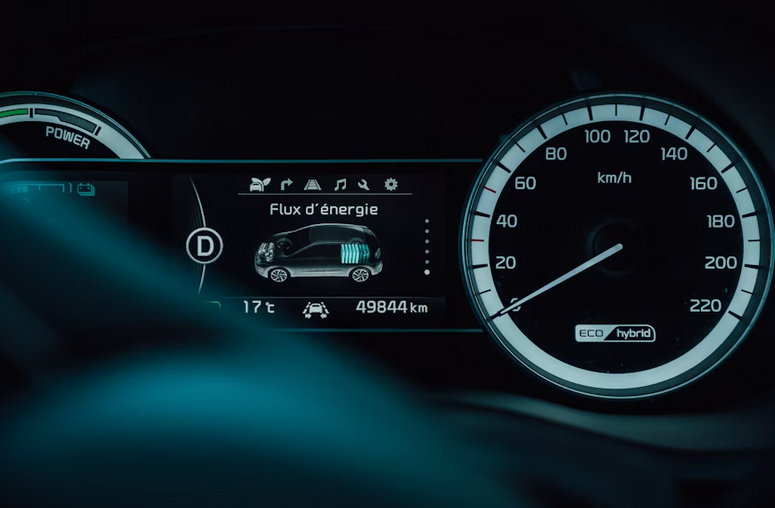
A frequent assumption is that hybrid cars are weak performers on the road. Many people imagine sluggish acceleration and engines that can’t handle highway driving. While this may have been true for some of the earliest models, today’s hybrids are much different. Manufacturers have worked hard to combine electric motors with gasoline engines in ways that maximise efficiency without sacrificing speed. Some hybrids even outperform standard vehicles in city driving, thanks to instant torque from electric motors. For everyday use, whether commuting or road-tripping, hybrids deliver enough power for nearly all driving needs.
Hybrids Are Only Good for City Driving
Some drivers think hybrids are designed exclusively for urban stop-and-go traffic, where regenerative braking can recharge the battery. While hybrids do shine in city environments, they are also capable on highways. Newer models switch seamlessly between gas and electric power to maintain efficiency at higher speeds. This allows hybrids to perform well whether you’re stuck in downtown traffic or cruising on open roads. For drivers who split time between city commutes and longer trips, hybrids provide an excellent balance of performance and fuel economy.
The Batteries Don’t Last Very Long
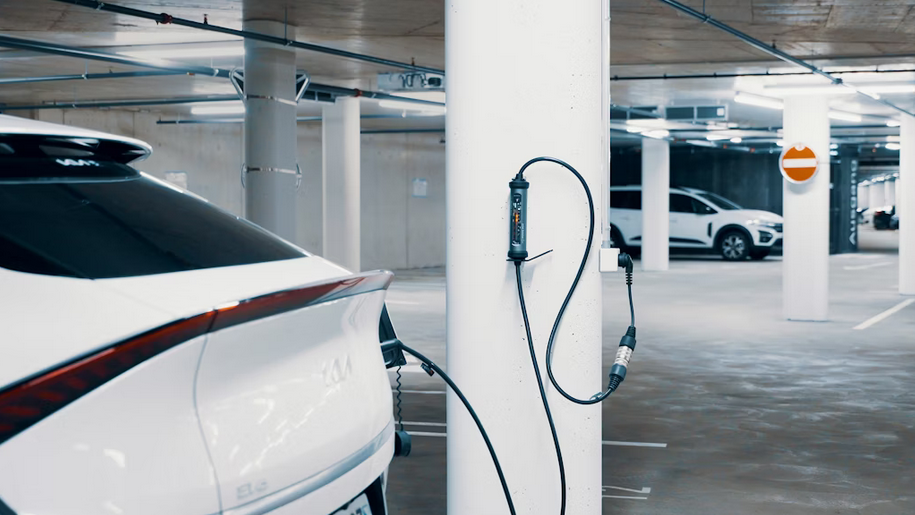
Another widespread belief is that hybrid batteries wear out fast and cost a fortune to replace. This fear discourages many people from even considering hybrid options. The truth is that modern hybrid batteries are designed for long service lives, with warranties often covering eight years or more. Many last well beyond the warranty period, functioning efficiently for over a decade. In addition, enhancements in battery technology have made replacements more affordable than before. While no component lasts forever, hybrid batteries have proven to be reliable and durable, exceptionally when the car is maintained properly.
Hybrid Cars Are Too Expensive to Be Worth It
The final myth many buyers believe is that hybrids are too costly compared to traditional cars. While it’s true that the sticker price may be slightly higher, the long-term savings often outweigh the upfront expense. Lower fuel costs, fewer emissions-related maintenance issues, and potential tax incentives make hybrids an economical option over time. In addition, as hybrid technology becomes more mainstream, prices have continued to drop, making them accessible to a wider range of buyers. For people who keep their cars for several years, the financial benefits can be substantial.
Hybrid cars often get an unfair reputation because of outdated or exaggerated claims. The four most common myths—that hybrids lack power, their batteries fail too soon, they’re only valuable for cities, and they’re too expensive—simply don’t hold up under scrutiny. Modern hybrids are strong performers, their batteries are reliable and long-lasting, they operate well in both city and highway conditions, and their overall cost efficiency makes them a smart choice for many drivers. By debunking these misconceptions, it becomes clear that hybrids deserve consideration as practical, efficient, and forward-thinking vehicles for today’s roads.